

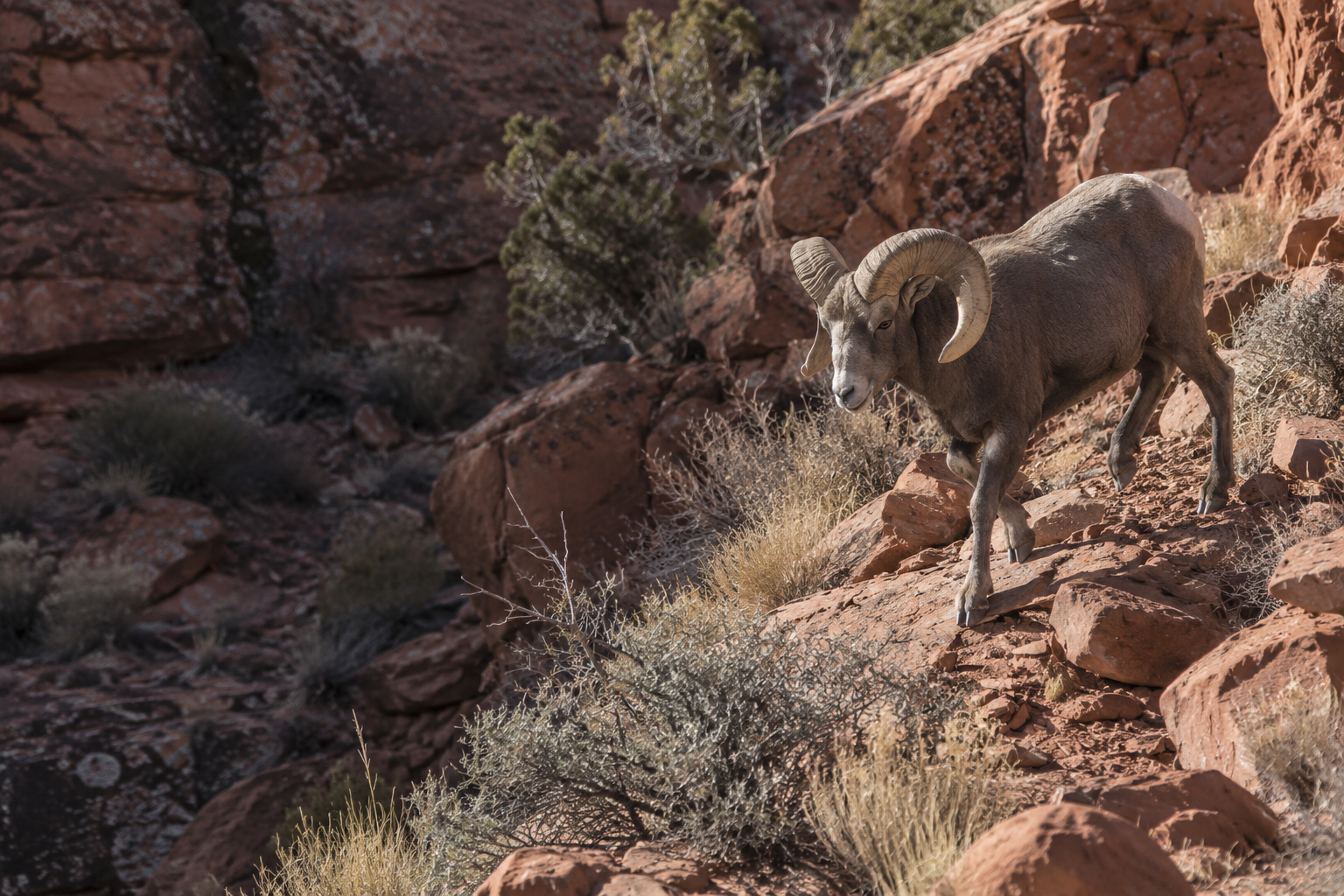
GUIDED UTAH HUNTS / THE BLACK TIMBER FIELD SERIES
UTAH
DESERT
BIGHORN HUNTS.
A rare tag. An extraordinary landscape.
THE COUNTRY IS CALLING
UTAH / DESERT BIGHORN SHEEP / YOUR NEXT CHAPTER
THE VERTICAL PURSUIT
A rare tag.
An extraordinary landscape.
Desert bighorn country has a way of putting everything else in perspective. Utah’s rock, light and wide-open silence create a hunt worth preparing for properly. Start with the exact permit and turn a long-held ambition into a thoughtful plan.
This is country best understood at its own pace. Long glassing sessions, exposed slopes and uneven footing can shape the day. Preparation should address the actual route, temperature swings, water needs and retrieval plan for your hunt.
PREPARATION IS PART OF THE HUNT
01
Know the route
Discuss footing, exposure, elevation and the realistic pace of a day in the proposed area.
02
Prepare with purpose
Choose gear and preparation around the actual trip, not a generic mountain checklist.
03
Think beyond the approach
Weather changes, safe turnaround decisions and retrieval belong in the plan from the beginning.
IN THE FIELD
Earn a better view of the desert.
A Utah desert bighorn experience
Rock faces, shelves and folds of country give a desert sheep hunt its character. Looking longer becomes part of the reward. A patch of shade that seemed ordinary can take on a different meaning through the glass, and a route that looked short can reveal how much there is to understand.
This is a pursuit worth giving your full attention to, from preparation through the final walk out. Think beyond the first sighting. Consider how you want to experience the country, how much challenge feels right and what support will make that experience a good one.
Give a rare opportunity a careful plan
Begin with your exact desert bighorn permit. Discuss exposed ground, water, temperature changes and the practical demands of the proposed route. Ask how the guide evaluates an approach and when conditions would call for a different plan. Include retrieval, communication and your travel schedule so the trip is thought through from both ends.
PICTURE THE PURSUIT
The animal. The ground.
The feeling of being there.
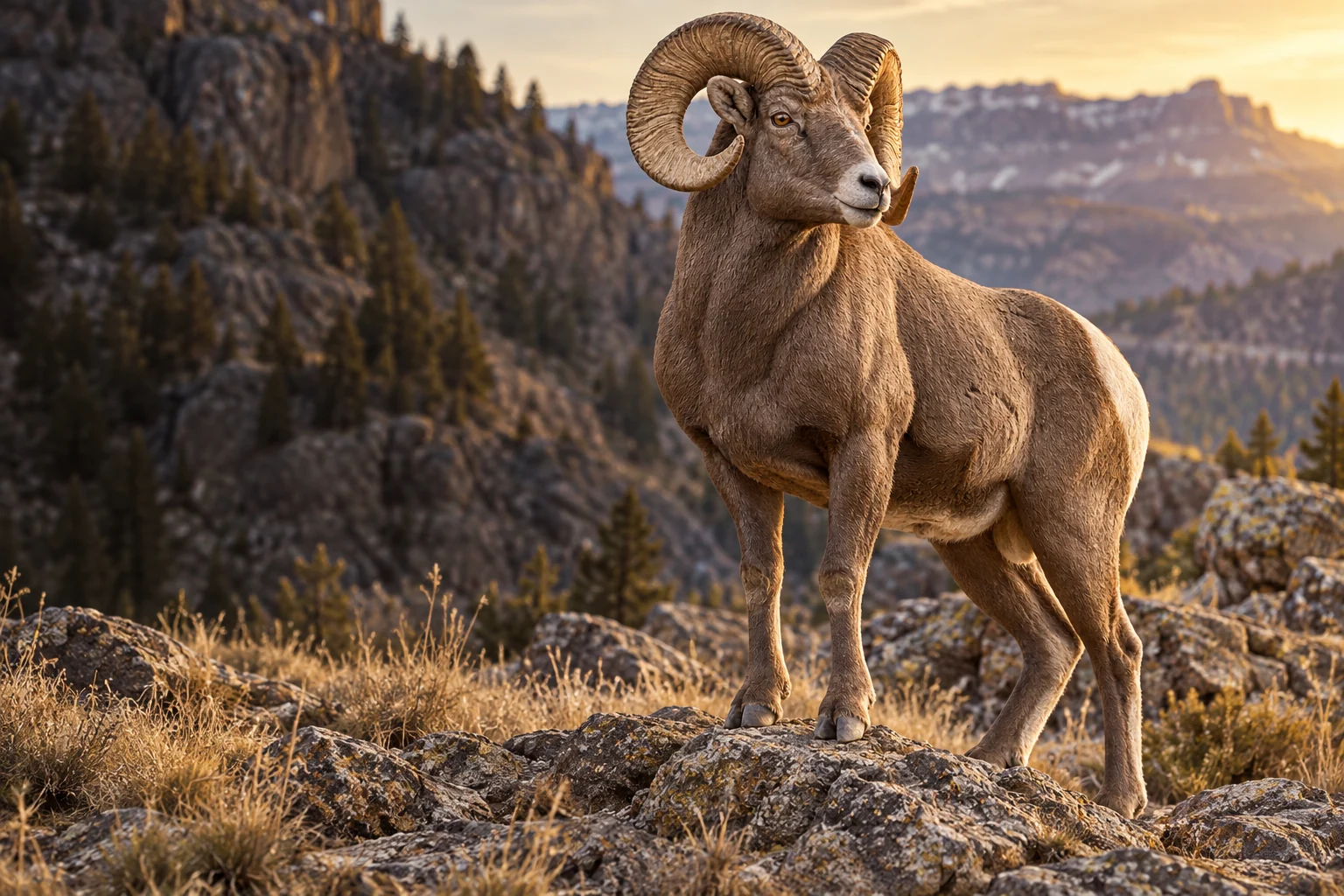
sheep / wildlife illustration
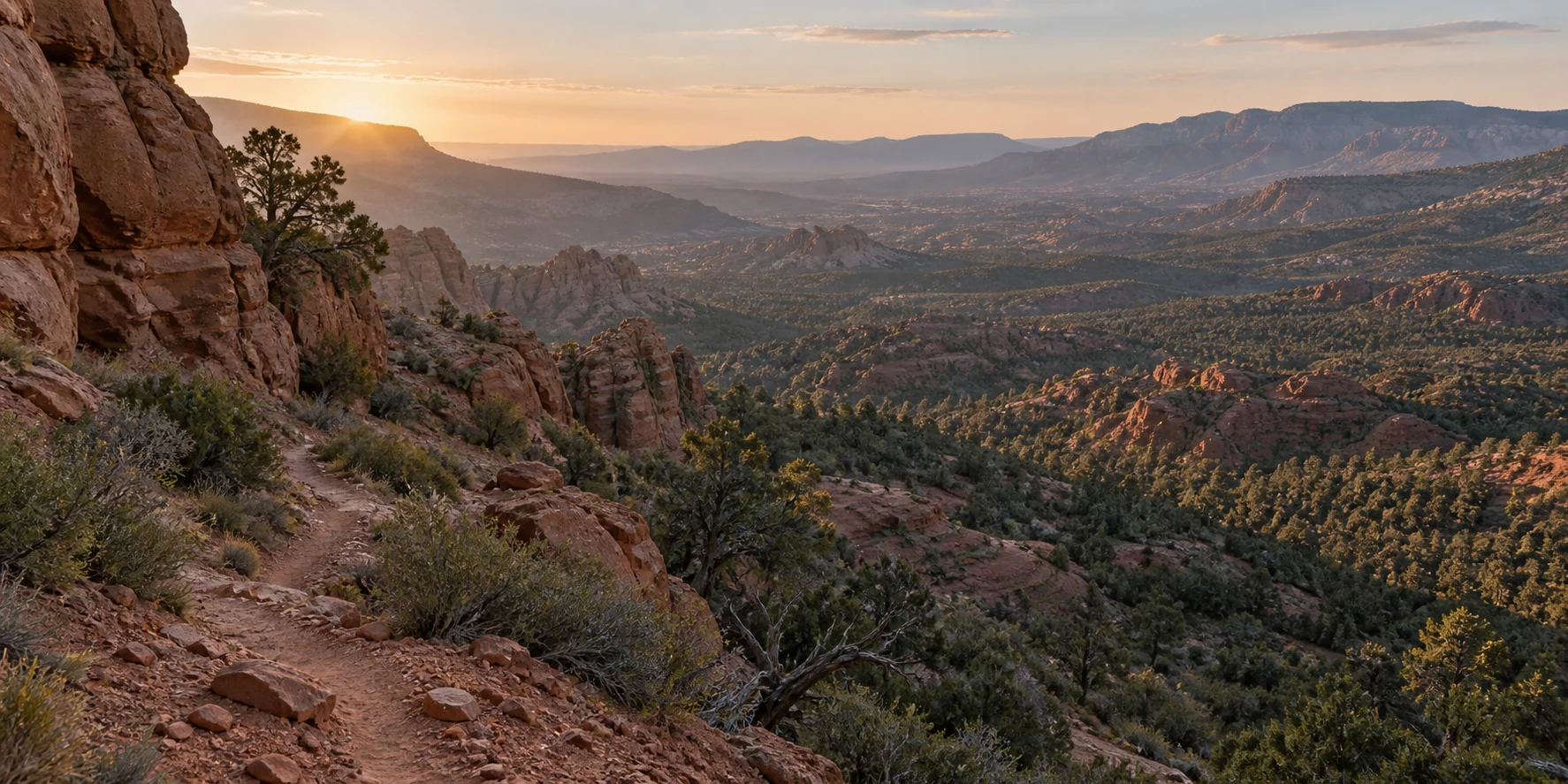
The country / landscape illustration
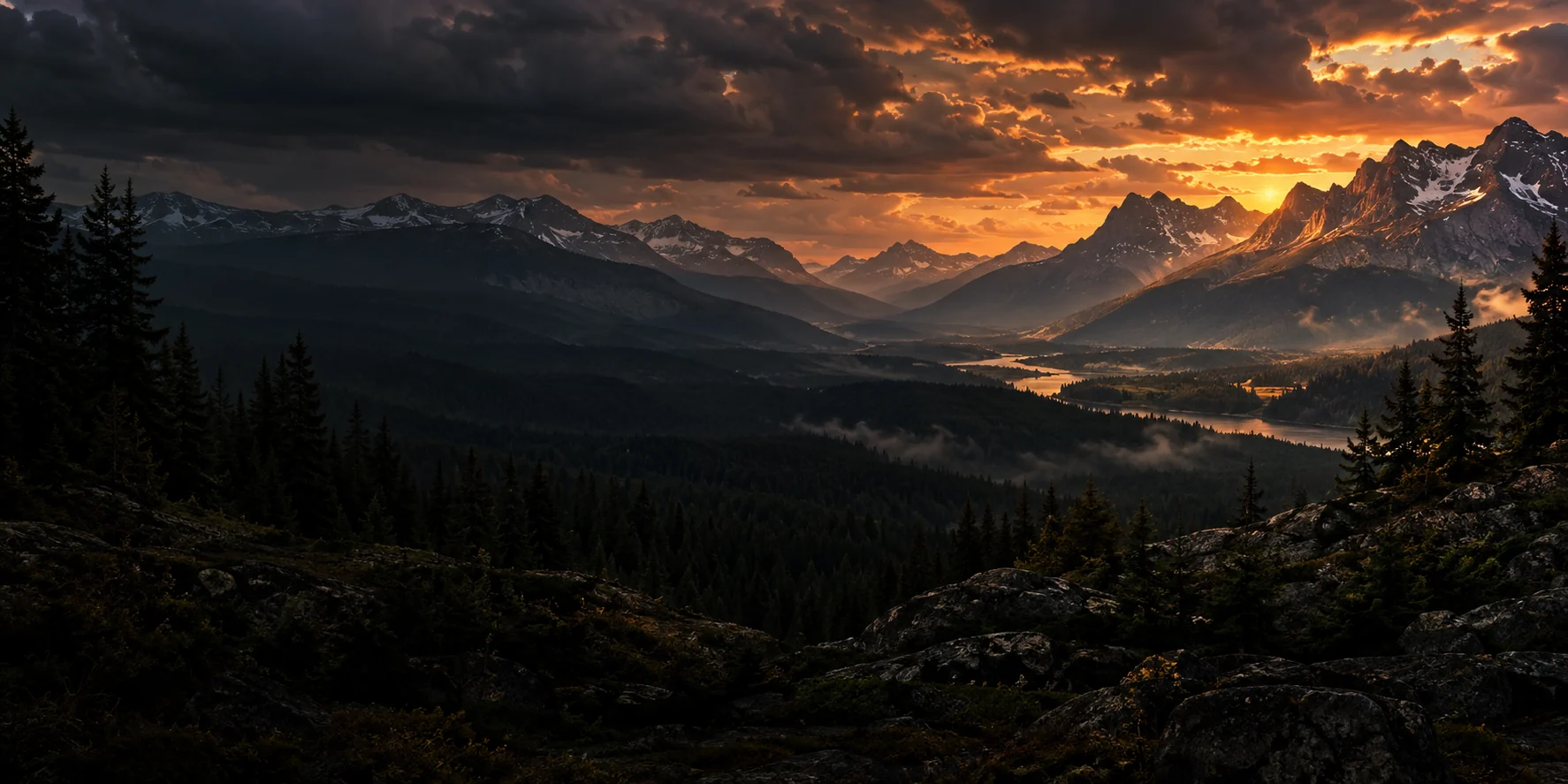
Room for the pursuit / landscape illustration
THE PRACTICAL DETAILS
A clear plan.
A better experience.
Already have your permit? The exact unit, dates and weapon make the conversation more useful. If you are still planning, start with your goals and questions.
- Species, state and full permit or hunt code
- Preferred dates and travel flexibility
- Experience, party size and comfort in the terrain
BEFORE YOU BOOK
Begin the conversation promptly after the permit is confirmed. Rare-tag planning involves guide availability, scouting, access, travel and preparation, not only selecting equipment.
First clarify the actual unit, footing, elevation, heat exposure and expected time on foot. Build preparation around that description and your current ability, seeking qualified fitness or medical guidance when needed.
The proposal should separate the guide’s equipment from items you bring, and identify any transport included. Get a hunt-specific list before making purchases.
Confirm the exact unit, likely footing, temperature exposure, water needs, time on foot and camp model. Do not assume that a boat, lodge or vehicle is part of every sheep hunt.
Provide the full permit or hunt code, unit, species, weapon, legal dates and any relevant restrictions. Redact unrelated personal identifiers when sending documents.
KEEP EXPLORING
YOUR NEXT CHAPTER
MAKE THE
TAG COUNT.
Bring the tag. Bring the questions. Tell us what you want the hunt to feel like.